Gaming today is no longer limited to a single platform. With billions of smartphone users and millions of dedicated console gamers worldwide, mobile gaming and console gaming have become the two most dominant segments of the gaming industry. Both offer unique experiences, serve different types of players, and operate on very different technological models. Understanding the differences between mobile gaming and console gaming helps players choose the right platform based on their preferences, budget, and playstyle.
This article breaks down the key differences in terms of performance, accessibility, game quality, cost, social features, and future growth.
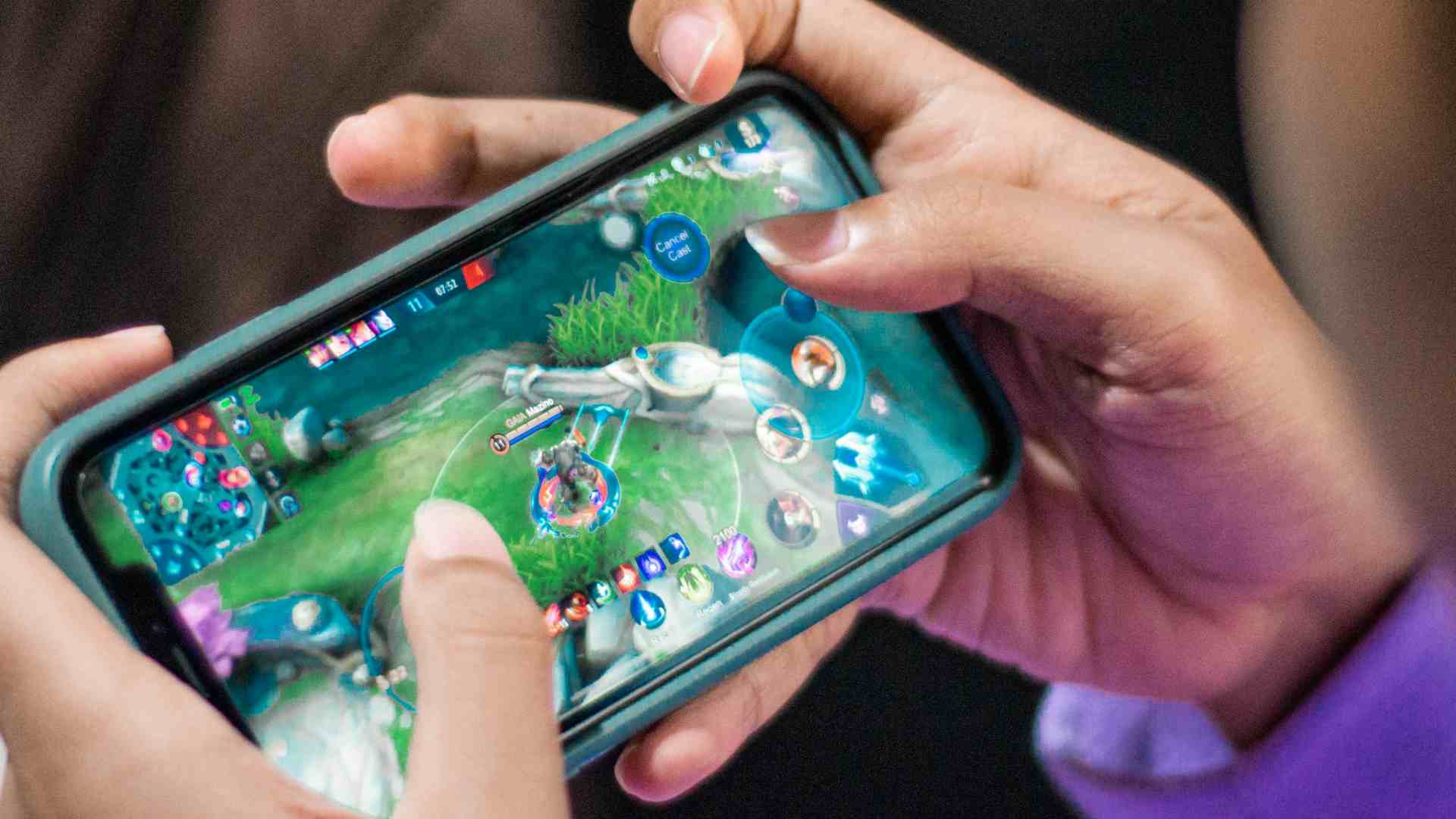
1. Platform & Accessibility
Mobile Gaming
Mobile games are played on smartphones and tablets running Android or iOS. Since most people already own a smartphone, mobile gaming is highly accessible. You can play games anywhere—on public transport, during breaks, or while relaxing at home. There’s no need for additional hardware.
Console Gaming
Console gaming requires a dedicated device such as a PlayStation, Xbox, or Nintendo console. These systems must be connected to a TV or monitor and often need stable internet and power supply. Console gaming is less portable but delivers a more immersive home entertainment experience.
Key Difference:
Mobile gaming wins in portability and ease of access, while console gaming offers a more fixed but premium setup.
2. Graphics & Performance
Mobile Gaming
Modern smartphones can handle impressive visuals, but they still face limitations in processing power, cooling, and battery life. Most mobile games are optimized for lower power consumption and smoother performance on modest hardware.
Console Gaming
Consoles are built specifically for high-performance gaming. They support advanced lighting, ray tracing, 4K resolution, high frame rates, and realistic physics. Large game worlds, cinematic cutscenes, and complex mechanics are standard.
Key Difference:
Console gaming delivers significantly superior graphics and performance compared to mobile gaming.
3. Game Design & Depth
Mobile Games
Most mobile games are designed for short, quick sessions. Popular genres include puzzle games, endless runners, battle royales, card games, and casual multiplayer titles. Even competitive mobile games focus on fast matches and easy learning curves.
Console Games
Console games are designed for long-form, immersive gameplay. They include massive open worlds, story-driven narratives, competitive shooters, sports simulations, RPGs, and survival games that can take dozens or hundreds of hours to complete.
Key Difference:
Mobile gaming focuses on casual and fast-paced gameplay, while console gaming focuses on deep, long-term experiences.
4. Controls & User Experience
Mobile Gaming
Mobile games use touchscreen controls. While they are simple and intuitive, they lack the precision of physical buttons. Some games support external controllers, but touch input remains the main interaction method.
Console Gaming
Consoles use professional-grade game controllers with analog sticks, triggers, vibration feedback, and precise responsiveness. This provides better control in shooting, racing, fighting, and sports games.
Key Difference:
Console gaming offers superior control accuracy and comfort for competitive and action-heavy games.
5. Cost of Gaming
Mobile Gaming
Most mobile games are free to download and follow a free-to-play model with in-app purchases. Players can enjoy gaming without spending money, though premium content and microtransactions are common.
Console Gaming
Console gaming requires:
- Cost of the console
- Cost of games (usually premium-priced)
- Optional online subscriptions for multiplayer features
Key Difference:
Mobile gaming is far more budget-friendly, while console gaming demands higher upfront and long-term investment.
6. Multiplayer & Social Experience
Mobile Gaming
Mobile gaming has massive online communities and supports multiplayer modes in battle royale, strategy, and co-op games. Voice chat, friends lists, and global matchmaking are common but often simplified.
Console Gaming
Console gaming offers highly advanced multiplayer systems, including ranked matchmaking, esports tournaments, couch co-op, live streaming, and voice party features. Competitive gaming is stronger on consoles.
Key Difference:
Console gaming provides a richer and more competitive multiplayer environment.
7. Game Ownership & Monetization
Mobile Games
Most mobile games rely on ads, cosmetic purchases, battle passes, and pay-to-progress models. Players often don’t own the full game outright.
Console Games
Console players typically buy complete games with full access to content, along with optional DLCs or expansions.
Key Difference:
Console gaming focuses on full game ownership, while mobile gaming heavily depends on in-app monetization.
8. Audience & Player Base
Mobile Gaming
The mobile gaming audience includes casual players, students, office workers, and people of all age groups. It has the largest user base globally.
Console Gaming
Console gamers are usually more dedicated players who prefer long sessions, competitive gaming, or deep storytelling.
Key Difference:
Mobile gaming is mass-market and casual, while console gaming targets core and hardcore gamers.
9. Future Growth
Mobile gaming continues to expand rapidly due to 5G connectivity, cloud gaming, AI-powered graphics, and improved mobile hardware. Console gaming is also evolving with cloud streaming, cross-platform play, and next-gen performance upgrades.
Both platforms will continue to coexist and grow rather than replace each other.
Final Verdict
Mobile Gaming is ideal if you want:
- Quick entertainment anywhere
- Low cost of entry
- Casual, short-session gameplay
Console Gaming is ideal if you want:
- High-end graphics and performance
- Deep, story-driven games
- Competitive multiplayer and esports-level gaming
In simple terms, mobile gaming is about convenience and accessibility, while console gaming is about power, realism, and immersive experiences. The best platform ultimately depends on your lifestyle, budget, and gaming preferences.